Microneedling, also known as collagen induction therapy, is a minimally invasive cosmetic procedure designed to enhance skin texture, tone, and overall appearance. By using a device equipped with tiny needles, microneedling creates controlled micro-injuries on the skin's surface, prompting the body's natural healing process and stimulating the production of collagen and elastin. These essential proteins …

Microneedling, also known as collagen induction therapy, is a minimally invasive cosmetic procedure designed to enhance skin texture, tone, and overall appearance. By using a device equipped with tiny needles, microneedling creates controlled micro-injuries on the skin’s surface, prompting the body’s natural healing process and stimulating the production of collagen and elastin. These essential proteins are crucial for maintaining youthful, smooth, and healthy-looking skin.
Key Benefits of Microneedling:
-
Reduces Fine Lines and Wrinkles: Boosts collagen production to help smooth out the signs of aging.
-
Improves Skin Texture: Addresses uneven skin tone and roughness, leaving the skin softer and more even.
-
Reduces Scars: Particularly effective in treating acne scars, stretch marks, and other minor imperfections.
-
Minimizes Pore Size: Promotes a smoother, more refined complexion by tightening enlarged pores.
-
Enhances Skincare Absorption: Microneedling boosts the absorption of topical products, allowing them to penetrate deeper into the skin for maximum effectiveness.
The Microneedling Process:
-
Consultation: A consultation with a qualified dermatologist or aesthetic professional is the first step. During this session, the practitioner will evaluate your skin type, discuss your goals, and determine if microneedling is the right treatment for you.
-
Preparation:
-
The skin is thoroughly cleansed to remove makeup, dirt, and oils.
-
A topical numbing cream is applied to reduce discomfort during the procedure.
-
-
Treatment:
-
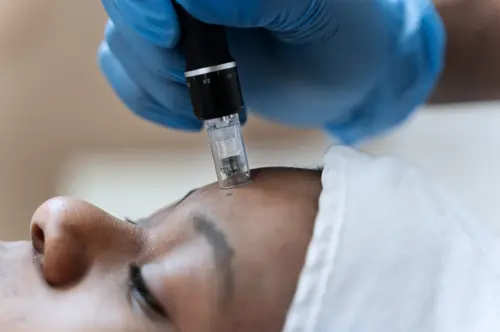
A microneedling device, such as a dermaroller or motorized pen, is used to create tiny punctures in the skin.
-
The needle depth is adjusted depending on the treatment area and specific skin concerns.
-
The procedure typically lasts between 30 and 60 minutes, depending on the area being treated.
-
-
Post-Treatment Application:
-
After the microneedling procedure, soothing serums or growth factors may be applied to further enhance the skin’s healing and maximize the benefits of the treatment.
-
Post-Procedure Care:
-
Immediate Aftercare:
-
The skin may appear red and feel sensitive, similar to a mild sunburn, for 1 to 3 days.
-
Refrain from touching your face to avoid irritation and the risk of infection.
-
-
Avoid Direct Sun Exposure:
-
Protect your skin with a broad-spectrum sunscreen.
-
Stay out of the sun for at least one week after the treatment to avoid further irritation or sun damage.
-
-
Gentle Skincare Routine:
-
Use a mild cleanser and avoid exfoliating products or active ingredients like retinoids and AHAs for a few days post-treatment.
-
Regularly moisturize to keep your skin hydrated and promote healing.
-
-
Avoid Makeup:
-
It’s best to avoid makeup for at least 24 hours after the treatment to reduce the risk of irritation and infection.
-
-
Hydrate:
-
Drink plenty of water to support your skin’s natural healing process.
-
Frequency of Microneedling Treatments:
-
For optimal results, most patients require 3 to 6 sessions spaced 4 to 6 weeks apart.
-
Maintenance treatments are generally recommended every 6 to 12 months to preserve long-term results.
Potential Side Effects: While microneedling is a safe and effective procedure, some temporary side effects may occur, such as:
-
Redness
-
Swelling
-
Mild discomfort
-
Peeling or flaking
Severe complications like infection or scarring are rare and typically only occur when the procedure is not performed by a trained and qualified professional.
Who Is a Good Candidate for Microneedling? Microneedling is suitable for most skin types and tones and is an ideal choice for individuals looking to address mild to moderate skin concerns without resorting to more invasive treatments. It’s particularly beneficial for those seeking to:
-
Improve skin texture and tone
-
Minimize the appearance of fine lines, wrinkles, and scars
-
Enhance the overall health and radiance of their skin
However, microneedling may not be recommended for individuals with active skin infections, severe acne, or certain medical conditions. Always consult with a qualified healthcare professional to determine if microneedling is right for you.
Conclusion: Microneedling is an effective, minimally invasive treatment that can transform the health and appearance of your skin. By stimulating the body’s natural collagen and elastin production, this procedure promotes smoother, firmer, and more radiant skin with minimal downtime. Whether you’re looking to reduce fine lines, improve texture, or tackle scars, microneedling offers a versatile and powerful solution for enhanced skin rejuvenation.
Book a Consultation
It’s easy and free!