Lipalgia

Lipalgia and lipo-lipedema are chronic disorders characterized by pain, swelling, and abnormal fat accumulation, particularly in the lower body. Managing these conditions effectively requires a comprehensive and multidisciplinary approach, involving various medical specialists and both conservative and surgical interventions.
Key Medical Specialists in the Treatment of Lipalgia and Lipo-Lipedema
1. Vascular Medicine Specialists
Vascular specialists address circulatory issues that contribute to swelling and pain. Treatments may include:
- Compression therapy
- Minimally invasive vascular procedures
- Management of varicose veins or chronic venous insufficiency
2. Lymphedema Therapists
Certified lymphedema specialists or physical therapists use non-invasive methods to reduce fluid buildup and pain, including:
- Manual lymphatic drainage (MLD)
- Complete decongestive therapy (CDT)
3. Plastic and Reconstructive Surgeons
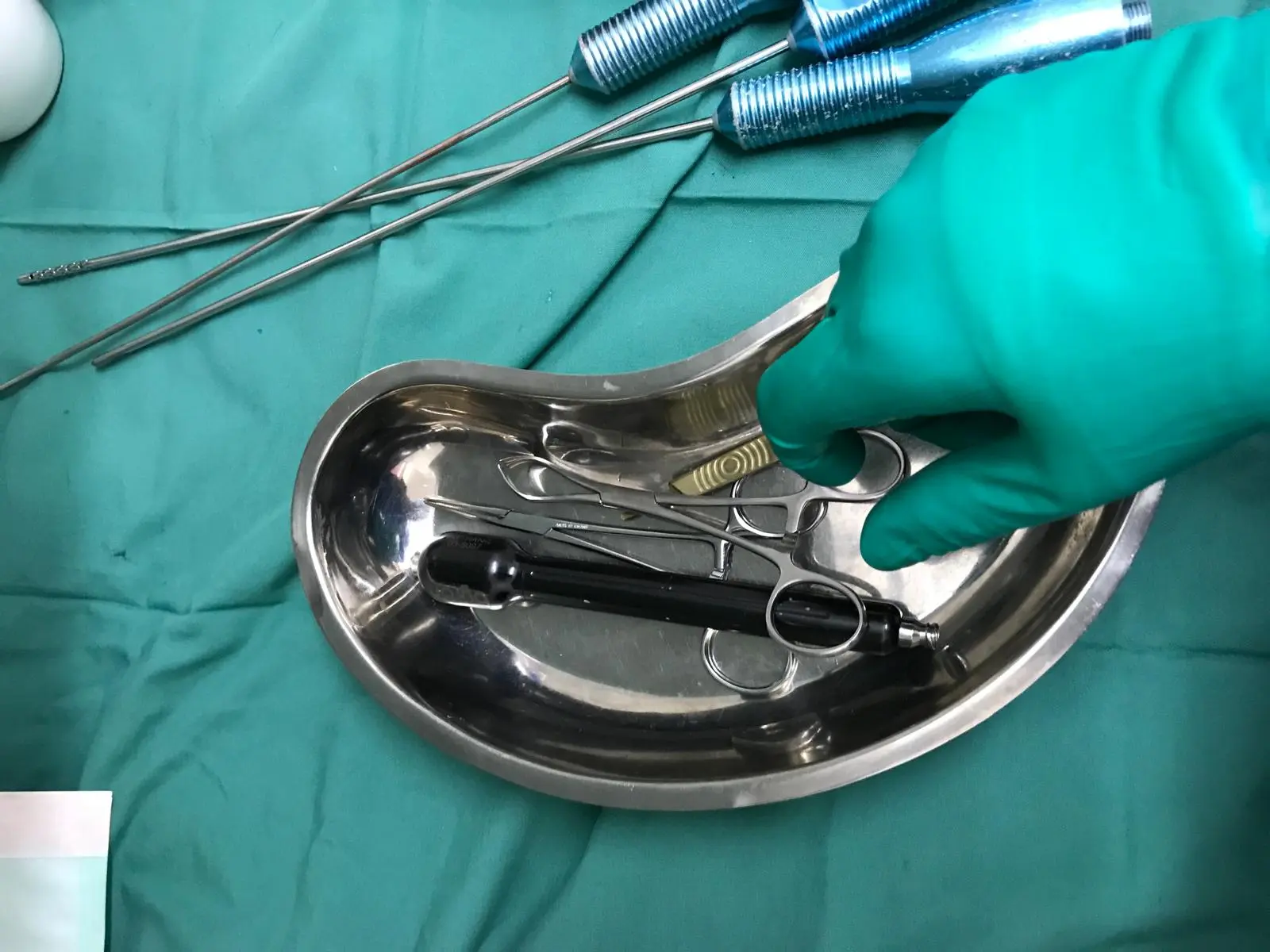
For patients with moderate to advanced symptoms, liposuction is often recommended. Surgeons may use:
- Tumescent liposuction
- Water-assisted liposuction (WAL)
- Power-assisted liposuction (PAL) These techniques aim to reduce fat volume and alleviate pain without damaging the lymphatic system.
4. Endocrinologists
Hormonal imbalances often contribute to abnormal fat distribution. Endocrinologists assess and manage:
- Estrogen dominance
- Thyroid dysfunction
- Metabolic syndrome
5. Rheumatologists
If autoimmune or inflammatory conditions are suspected, a rheumatologist may evaluate:
- Chronic systemic inflammation
- Pain disorders with overlapping symptoms
6. Pain Management Specialists
Chronic pain from lipalgia can be debilitating. Pain specialists offer:
- Medications and injections
- Nerve blocks
- Neuromodulation techniques
7. Nutritionists and Dietitians
Although diet cannot cure lipedema, nutrition can reduce inflammation and improve overall health. Experts often recommend:
- Anti-inflammatory diets
- Low-carb or ketogenic meal plans
- Personalized weight management strategies
8. Physical Therapists
Customized movement and exercise programs can:
- Improve mobility
- Support lymphatic drainage
- Reduce joint strain

Why a Multidisciplinary Approach Is Essential
Lipo-lipedema is a complex medical condition that affects the vascular, lymphatic, metabolic, and nervous systems. A single-specialty approach often falls short. Effective treatment requires collaboration between vascular medicine, physical therapy, endocrinology, and surgical disciplines to achieve sustainable results.
Liposuction in Lipalgia and Lipo-Lipedema Treatment
When Is Liposuction Recommended?
Liposuction is not a cure but is often a highly effective intervention when conservative therapies fail. It targets abnormal fat deposits that are resistant to diet and exercise, particularly in the legs and hips.
Benefits of Liposuction for Lipedema Patients
- Pain Reduction: Relieves pressure on nerves by removing fibrotic fat.
- Improved Mobility: Decreases bulk and facilitates easier movement.
- Prevention of Disease Progression: Slows the development of secondary lymphedema.
- Enhanced Body Proportion: Provides aesthetic and psychological benefits.
Best Types of Liposuction for Lipedema
- Tumescent Liposuction: Minimizes blood loss and protects lymphatics.
- Water-Assisted Liposuction (WAL): Preserves delicate tissue structures; ideal for lipo-lipedema.
- Power-Assisted Liposuction (PAL): Suitable for larger volume removal with minimal trauma.
- Laser and Ultrasound-Assisted (VASER): May improve skin tightening but carries higher risk of tissue damage.
Important Preoperative Considerations
- Comprehensive Diagnosis: Confirmed by a team of specialists.
- Conservative Treatment First: Liposuction is often considered after months of compression therapy and physical therapy.
- Medical Evaluation: Includes cardiovascular, endocrine, and lymphatic assessments to avoid complications.
Postoperative Care and Long-Term Management
- Compression Garments: Essential to control swelling and promote healing.
- Physical Rehabilitation: Supports long-term function and mobility.
- Diet and Lifestyle Adjustments: Anti-inflammatory and supportive dietary habits.
- Regular Follow-ups: Ensure treatment success and monitor for recurrence.
Conclusion
Treating lipalgia and lipo-lipedema requires personalized, long-term, and interdisciplinary care. Early diagnosis, a combination of conservative therapies, and selective use of liposuction can significantly improve quality of life for patients. Collaboration between medical specialists ensures optimal outcomes and symptom relief.